
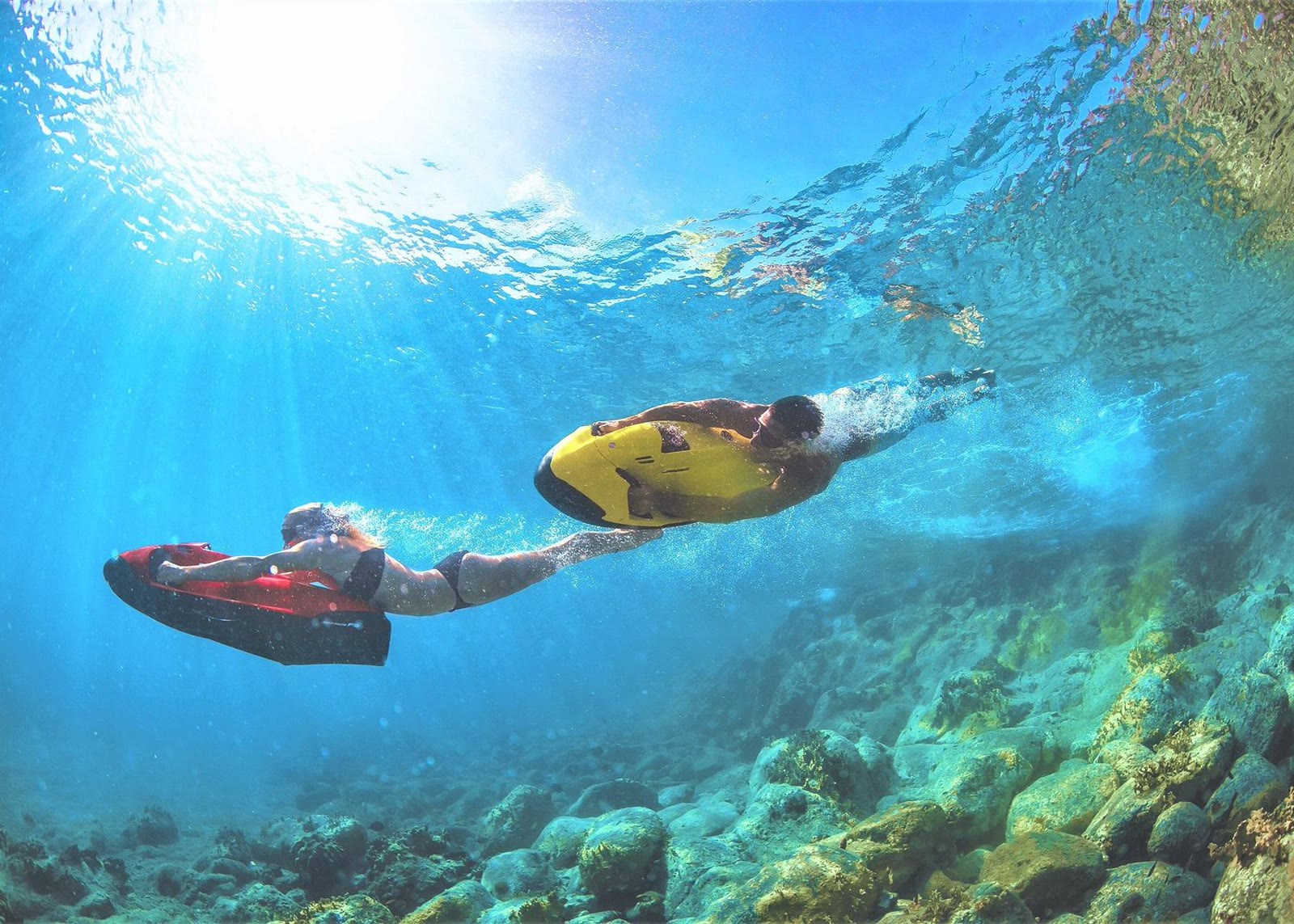
Why Florida's Reefs Deserve a Spot on Your Bucket List
There's a moment every first-time snorkeler remembers: the second your face dips below the surface and the muffled hush of the world above disappears, replaced by sunlight dancing through blue water and a reef bursting with color. Florida offers that moment better than almost anywhere else in the continental United States. The Florida Reef Tract stretches roughly 360 miles from St. Lucie Inlet down through the Florida Keys to the Dry Tortugas, making it the third-largest coral barrier reef system on Earth.
You don't need scuba certification, years of ocean experience, or expensive gear to experience this underwater world. Snorkeling is refreshingly accessible — strap on a mask, grab a snorkel, and float. That simplicity is exactly why it's the perfect entry point into Florida's marine wonders, whether you're vacationing in Miami, road-tripping down to Key West, or basing yourself in Naples for a quieter Gulf Coast experience.
Understanding Florida's Reef System
Florida's coral reefs aren't a single formation but a living mosaic of patch reefs, bank reefs, and hard-bottom habitats teeming with life. You'll find brain coral, elkhorn coral, and soft swaying sea fans, all providing shelter for parrotfish, sergeant majors, spiny lobsters, and the occasional curious nurse shark.
The reef has faced real challenges — bleaching events, disease, and warming water temperatures have taken a toll over the past two decades. Conservation groups and marine sanctuaries are actively working to restore coral through nurseries and outplanting programs, and many tour operators now build reef education into their trips. Snorkeling here isn't just recreation; it's a chance to witness a fragile ecosystem and understand why protecting it matters.
The Best Spots for Beginners
- John Pennekamp Coral Reef State Park (Key Largo): Often called the birthplace of snorkeling tourism in the Keys, Pennekamp has calm, shallow patch reefs like Molasses Reef and Grecian Rocks that are ideal for first-timers.
- Key West's Western Dry Rocks and Sand Key: A short boat ride from downtown Key West puts you above healthy coral gardens with excellent visibility, especially in summer months.
- Biscayne National Park (near Miami): Just a boat ride from the city, this underrated park mixes mangrove shoreline with offshore reefs, offering a quieter alternative to the busier Keys spots.
- Looe Key Reef (Lower Keys): Part of the Florida Keys National Marine Sanctuary, this spot is famous for dense coral coverage and abundant tropical fish.
- Dry Tortugas National Park: For the adventurous, a ferry or seaplane trip 70 miles west of Key West rewards you with some of the clearest water in the state, surrounding historic Fort Jefferson.
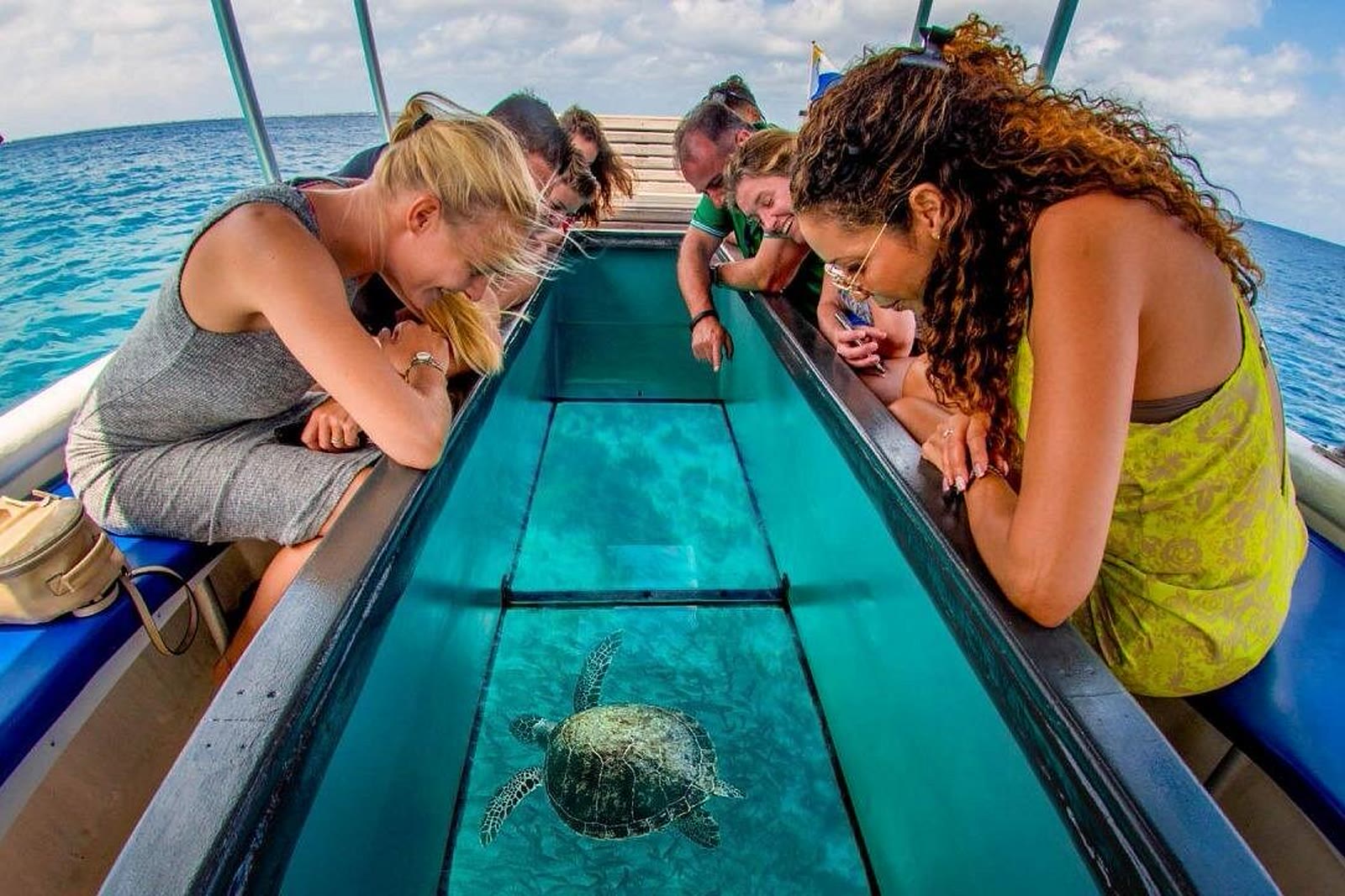
Gearing Up: What You Actually Need
Snorkeling gear is simple, but fit matters more than most beginners expect. A poorly sealed mask will fog and leak, turning a magical swim into a frustrating one.
- Mask: Press it to your face without the strap — it should suction slightly and stay put. That's your sign of a proper seal.
- Snorkel: Look for one with a purge valve, which makes clearing water from the tube far easier for newcomers.
- Fins: Short, open-heel fins give beginners more control and are easier to kick with than long free-diving fins.
- Rash guard or wetsuit top: Florida water is warm most of the year, but sun protection matters more than most people realize, especially floating face-down for an hour.
- Reef-safe sunscreen: Traditional sunscreens contain oxybenzone and octinoxate, chemicals linked to coral damage. Many Florida parks and tour operators now require reef-safe formulas only.
Most guided excursions provide mask, snorkel, and fins as part of the package, so you don't need to invest in gear before your first trip. It's worth trying a rental set first to see if snorkeling clicks for you before buying your own.
Getting Comfortable in the Water
Nerves before your first snorkel are completely normal, even for confident swimmers. Breathing through a tube while your face is submerged feels unnatural at first. The trick is practicing in shallow, calm water — many boat charters in the Keys and around Miami will let you get comfortable in waist-deep water before heading to the reef itself.
A few habits make a massive difference:
- Breathe slowly and deeply through your mouth only. Panicked, shallow breathing fogs your mask and raises anxiety.
- Keep your body relaxed and horizontal, letting your fins do the work instead of kicking frantically.
- If your mask fogs, a small drop of baby shampoo rubbed on the inside lens before your swim works better than any commercial defogger.
- Wear a life vest or use a floatation noodle if you're not a strong swimmer — there's no shame in it, and it lets you relax and actually enjoy the reef instead of treading water.
Once you're floating comfortably and breathing steadily, everything shifts. The reef stops being intimidating and starts feeling like the most peaceful place you've ever been.
When to Go
Water clarity in the Florida Keys is generally best from May through September, when calmer seas and warmer temperatures combine for excellent visibility, sometimes exceeding 60 feet. Winter months bring cooler air and choppier conditions from cold fronts, though the water itself stays comfortably warm year-round, typically in the mid-70s to low 80s Fahrenheit.
Early morning trips tend to have calmer seas and better light penetration, which makes coral colors pop and fish easier to spot. If you're prone to seasickness, a morning charter before the afternoon winds pick up is worth the early alarm.
Joining a Guided Excursion
For beginners, a guided snorkeling tour removes nearly all the guesswork. Experienced crews know exactly where the fish are gathering that day, how to read current conditions, and how to help nervous swimmers ease into the experience. Many combine the reef stop with other highlights of a day on the water — a scenic boat ride out from Miami or Key West, a stop at a sandbar, or even sunset views on the return trip.
Some operators pair snorkeling with other Florida classics, letting you combine an Everglades airboat tour in the morning with an afternoon reef swim, or book a full-day yacht charter that includes snorkeling gear, lunch, and a private stretch of reef. If you're staying near Fort Lauderdale or Naples, ask about nearby wreck sites too — sunken ships and artificial reefs attract dramatic marine life and make for a completely different kind of snorkel than a natural coral reef.
Respecting the Reef
A living reef is not a photo backdrop to touch or stand on. Coral grows incredibly slowly — some formations you'll swim over took centuries to build — and a single careless kick or grab can undo decades of growth. Keep a comfortable distance, never feed the fish, and avoid wearing gloves so you're less tempted to touch anything.
Choosing reef-safe sunscreen, packing out all trash, and going out with operators who follow marine sanctuary guidelines all add up. Snorkeling responsibly means future visitors, including your own kids or grandkids, get to see the same coral gardens you did.
Your First Swim Awaits
Snorkeling Florida's coral reefs doesn't require expertise, just curiosity and a willingness to float face-down over the unknown for a while. Somewhere between Miami's skyline and Key West's sunset bars lies an entire universe of color and motion, waiting just below the surface. Grab a mask, book a trip with a crew who knows the water, and go find it. Once you've felt that first rush of blue silence and darting fish, you'll understand why so many people call snorkeling in Florida the start of a lifelong obsession with the sea.
Frequently Asked Questions
When is the best time to snorkel Florida's coral reefs?
May through September offers the calmest seas and best visibility (60-100 feet), especially in the Florida Keys. Winter months can bring choppier water and cold fronts, though water temps stay in the mid-70s year-round.
Where are the best spots for beginner snorkelers to see coral reefs?
John Pennekamp Coral Reef State Park in Key Largo and Looe Key Reef near Big Pine Key are ideal for beginners, with shallow reef sections 5-15 feet deep and calm, protected waters. Biscayne National Park near Miami is another good low-current option with boat tours departing daily.
How much does a guided snorkeling tour cost in Florida?
Half-day reef tours typically run $45-$90 per person, including gear rental, boat transport, and a guide; full-day trips or combo excursions (snorkeling plus dolphin watching) range from $100-$150. Private charters start around $400-$600 for small groups.
Do I need to know how to swim or be certified to snorkel Florida's reefs?
No certification is required, but you should be a comfortable swimmer since reefs are often reached by boat in open water. Most tour operators provide flotation vests and brief instruction, and many trips accommodate non-swimmers with pool noodles or life jackets in shallow areas.
What should I bring on a Florida reef snorkeling trip?
Bring reef-safe sunscreen (mineral-based, oxybenzone-free is often required by law near reefs), a rash guard or swimsuit, water shoes for rocky entries, and a towel. Most operators supply mask, snorkel, fins, and flotation gear, but renting your own mask in advance ($15-$25) ensures a better fit.